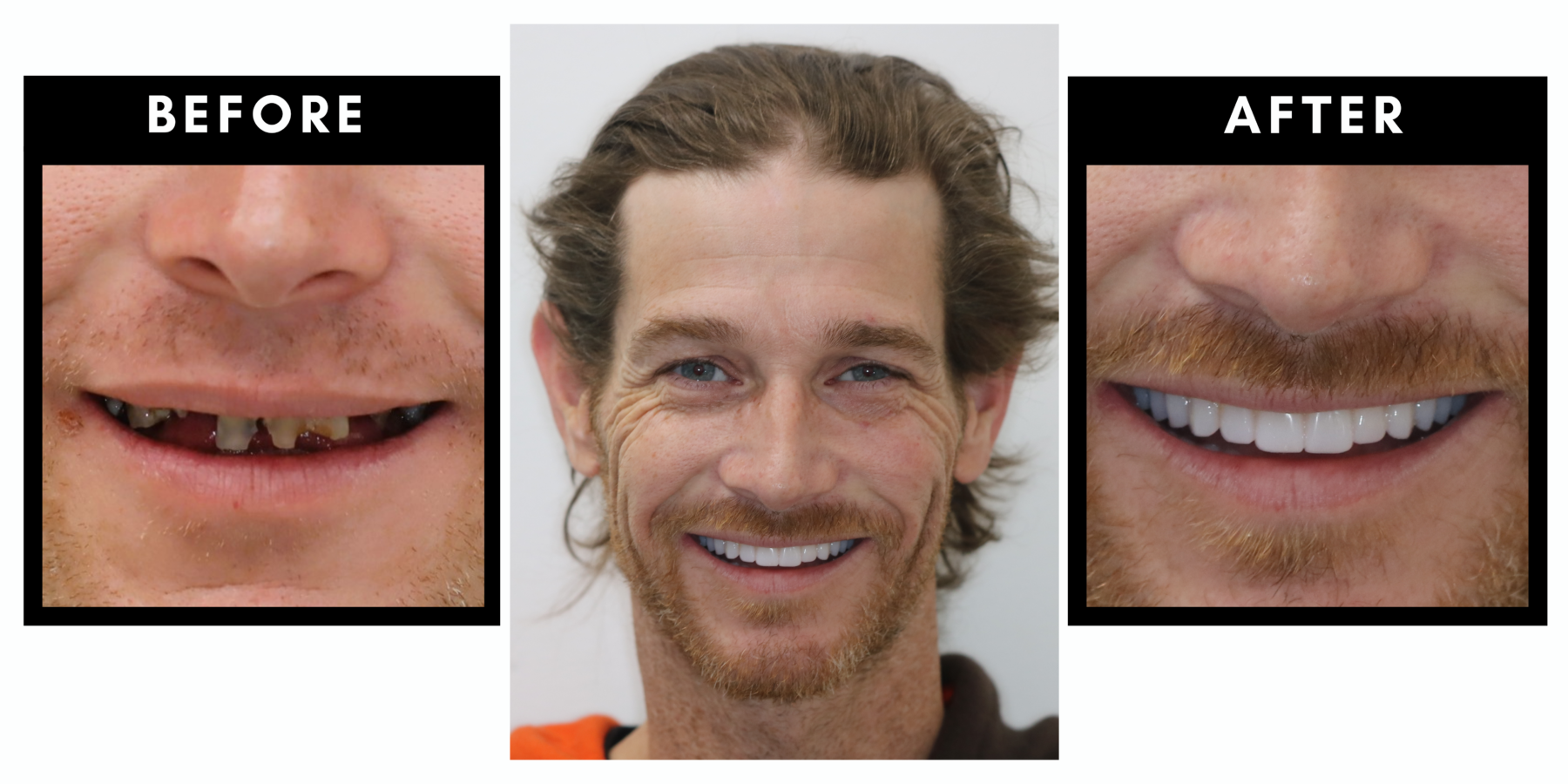
Results may vary. Images are of actual patients published with consent. View our Terms & Conditions for more information.
See A More Confident You At FIRST CHOICE DENTAL

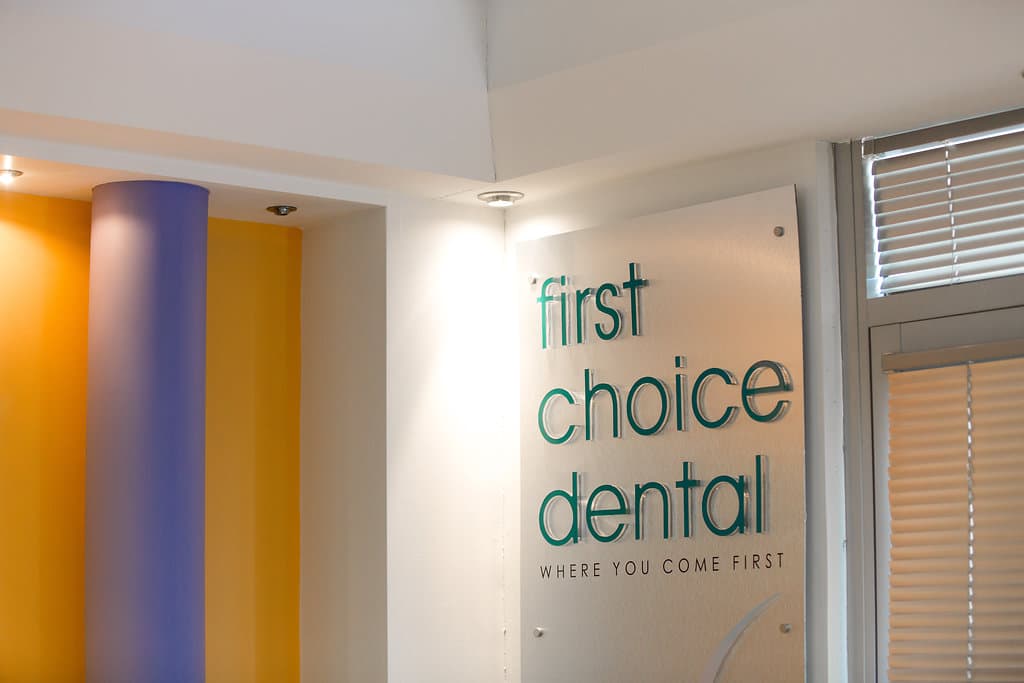
At First Choice Dental, one of our main concerns is your comfort.
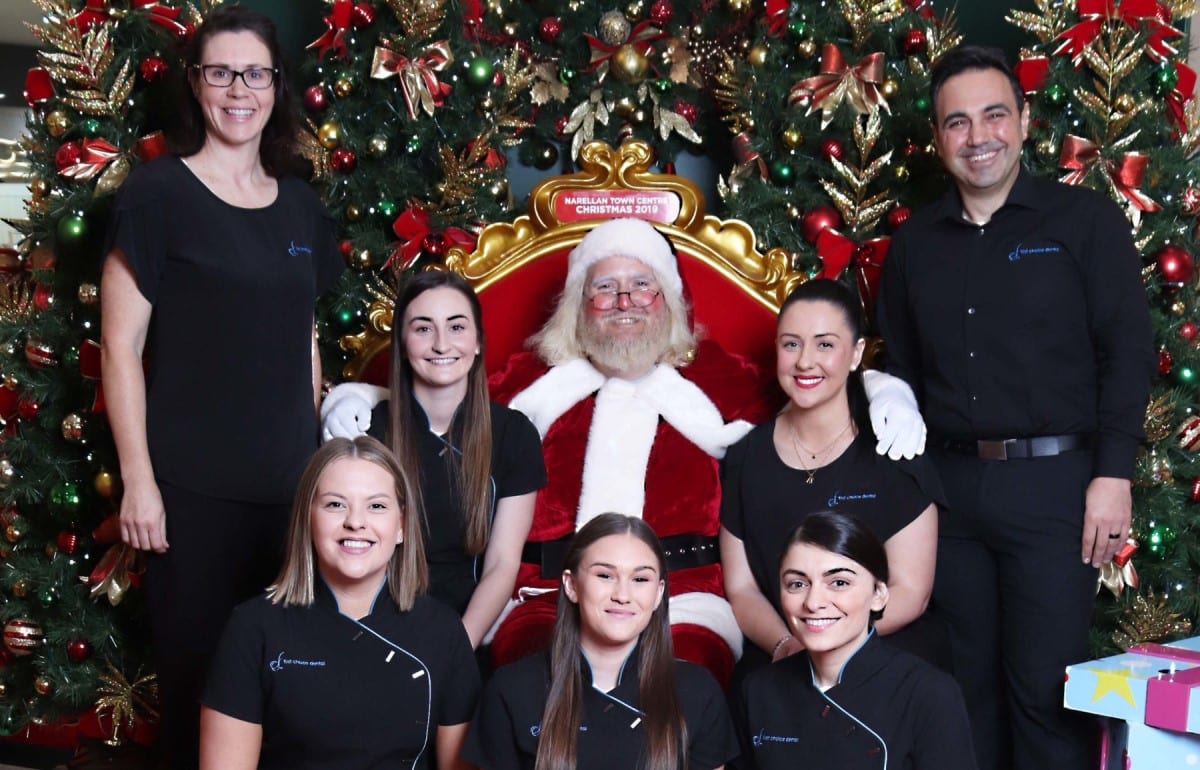
Our conveniently located dentist in Narellan offers a warm and welcoming environment, with bright colours, comfortable chairs, and a big television, making each visit feel as relaxed as being at home. The majority of people who attend First Choice Dental are regular clients and are greeted with a warm smile and a familiar face that knows who you are.
Most importantly, your appointment at First Choice Dental will be caring and without judgment. No matter how long it’s been since your last dental appointment, you’ll leave feeling confident and empowered.
Services We Offer at Our Dental Clinic in Narellan


Gentle, Personalised Dental Care in Narellan
We want our patients to maintain a healthy and beautiful smile that will last for the rest of their lives. We aim to do this by building relationships based on trust and open communication that allow our patients to feel comfortable and confident during their treatment. We provide the patients of our community with the highest standards of dentist through awareness and continued education in a modern, caring and friendly environment, offering exceptional dental care in Narellan.
First Choice Dental is a family-focused dental practice. Our vision was to create an environment in which gentle and trusted dental care for children and adults can be offered. We endeavour to shape the youngest of patients experience or help change even the older ones to enjoy and look forward to coming in for their dental visits. Above all, treatment and positive exciting experiences are what First Choice Dental is all about!
At First Choice Dental, our team of professionals is dedicated to providing gentle wisdom teeth removal services. We understand that wisdom teeth removal can be a significant concern for many, which is why we offer transparent information about wisdom teeth removal costs and take every precaution to prevent wisdom teeth removal infections. Our goal is to ensure that your experience is as comfortable and stress-free as possible, relying on our dental team to guide you through the process smoothly.
At First Choice Dental, we are dedicated to providing exceptional dentistry for children, ensuring that our youngest patients receive the attentive, gentle care they need for a lifetime of healthy smiles. Our childrens dentistry services are designed with a compassionate approach, making dental visits a positive experience for kids and instilling good oral hygiene habits early on. By integrating children’s dentistry seamlessly with our wide range of dental services, we create a friendly environment where every member, from the youngest to the oldest, can achieve optimal oral health.
Our dental team is highly experienced in implant dentistry, offering advanced dental implant solutions to restore your smile with precision and care. Our dental team utilises the latest technology to ensure optimal results for every patient. Understanding that dental implant cost can be a concern, we provide transparent pricing and flexible payment options to make high-quality dental care accessible. Whether you’re considering a single tooth implant or a full-mouth restoration, our team is dedicated to delivering personalised treatment plans tailored to your unique needs. By choosing First Choice Dental, you’re selecting a practice committed to excellence in implant dentistry, ensuring a beautiful, functional smile that lasts a lifetime. Trust us to guide you through the implant process with care and compassion, making us your first choice for all your dental implant needs.

Meet Our Team
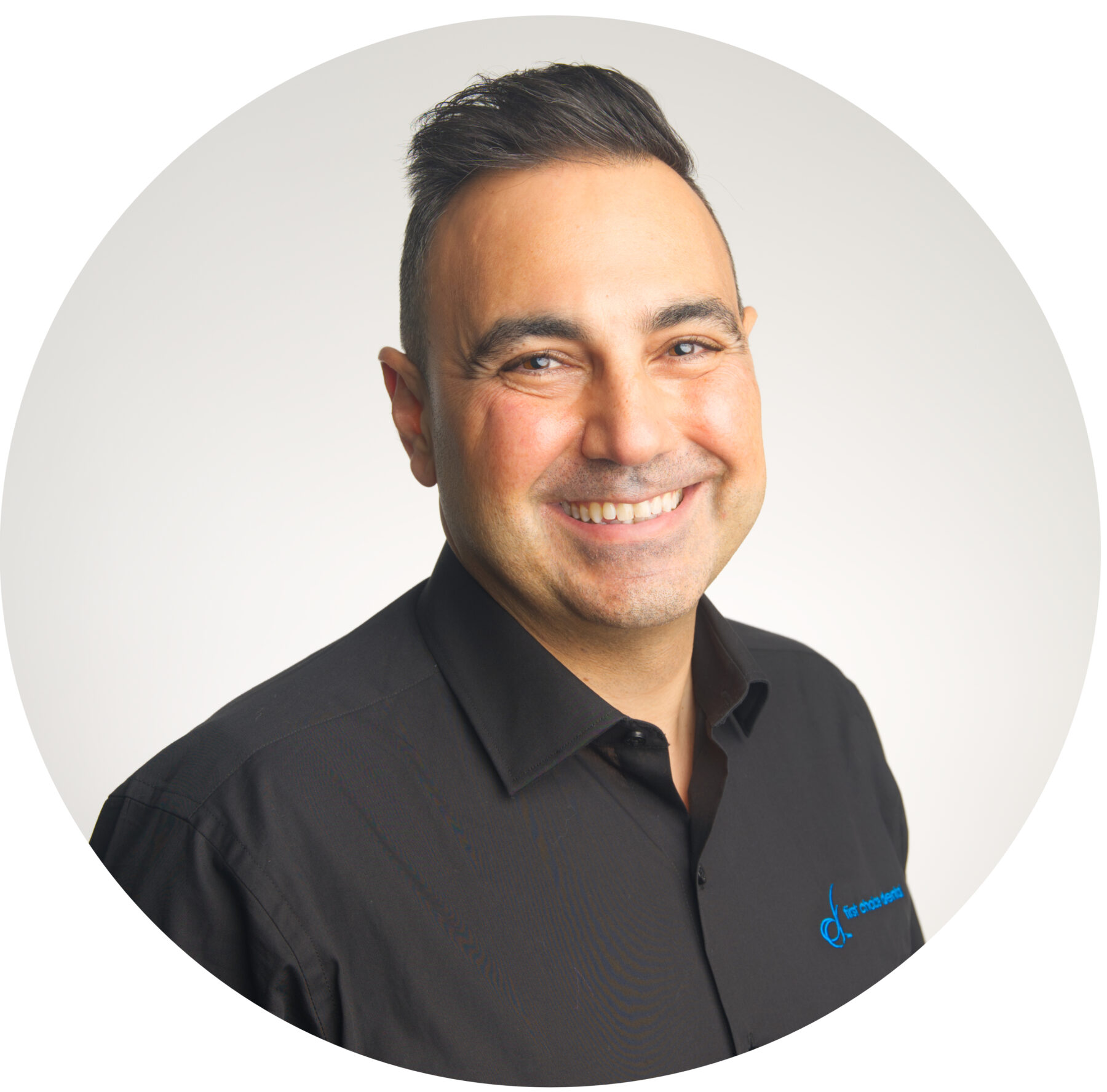
Dr Henry Mulla
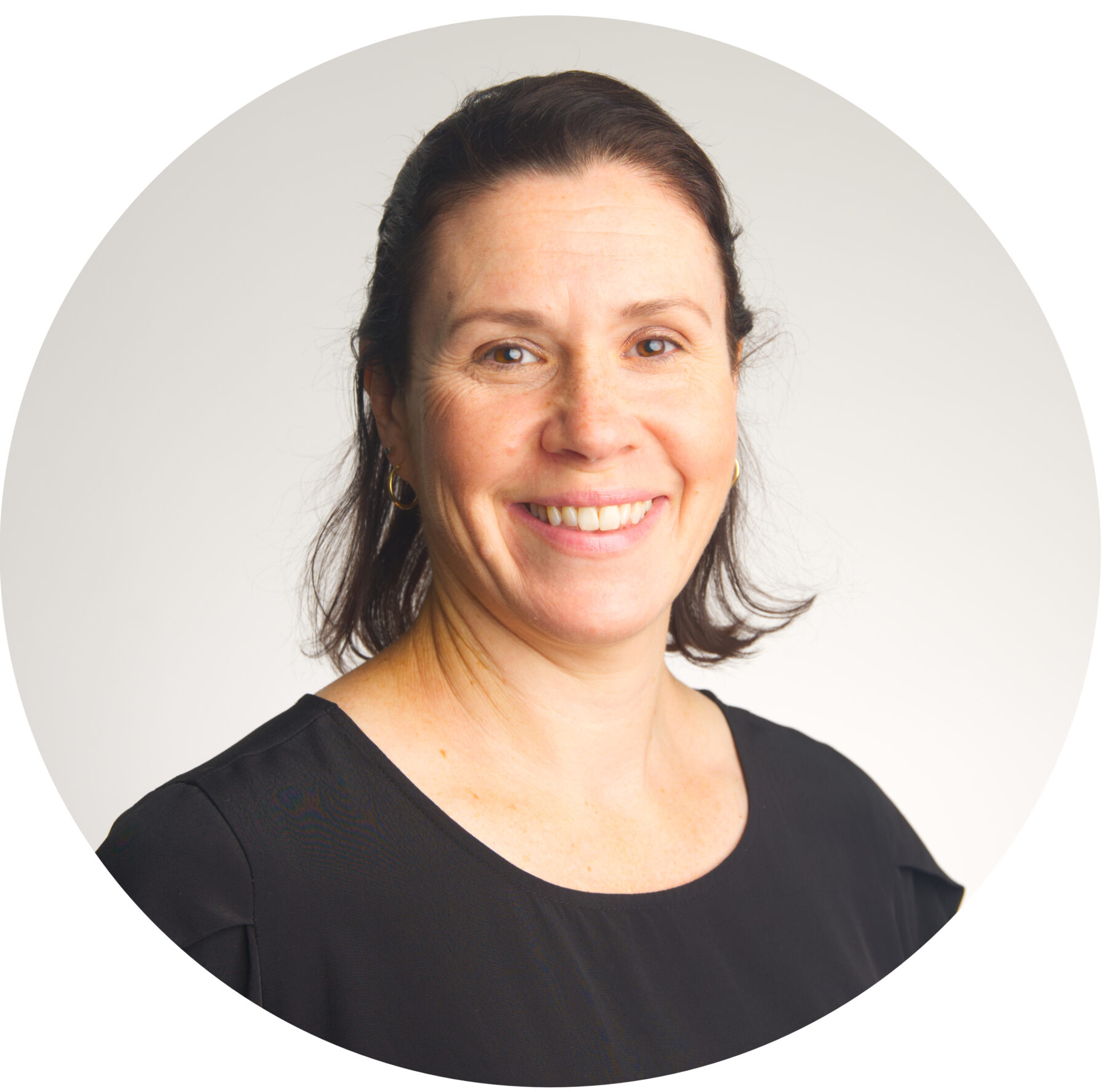
Nicole
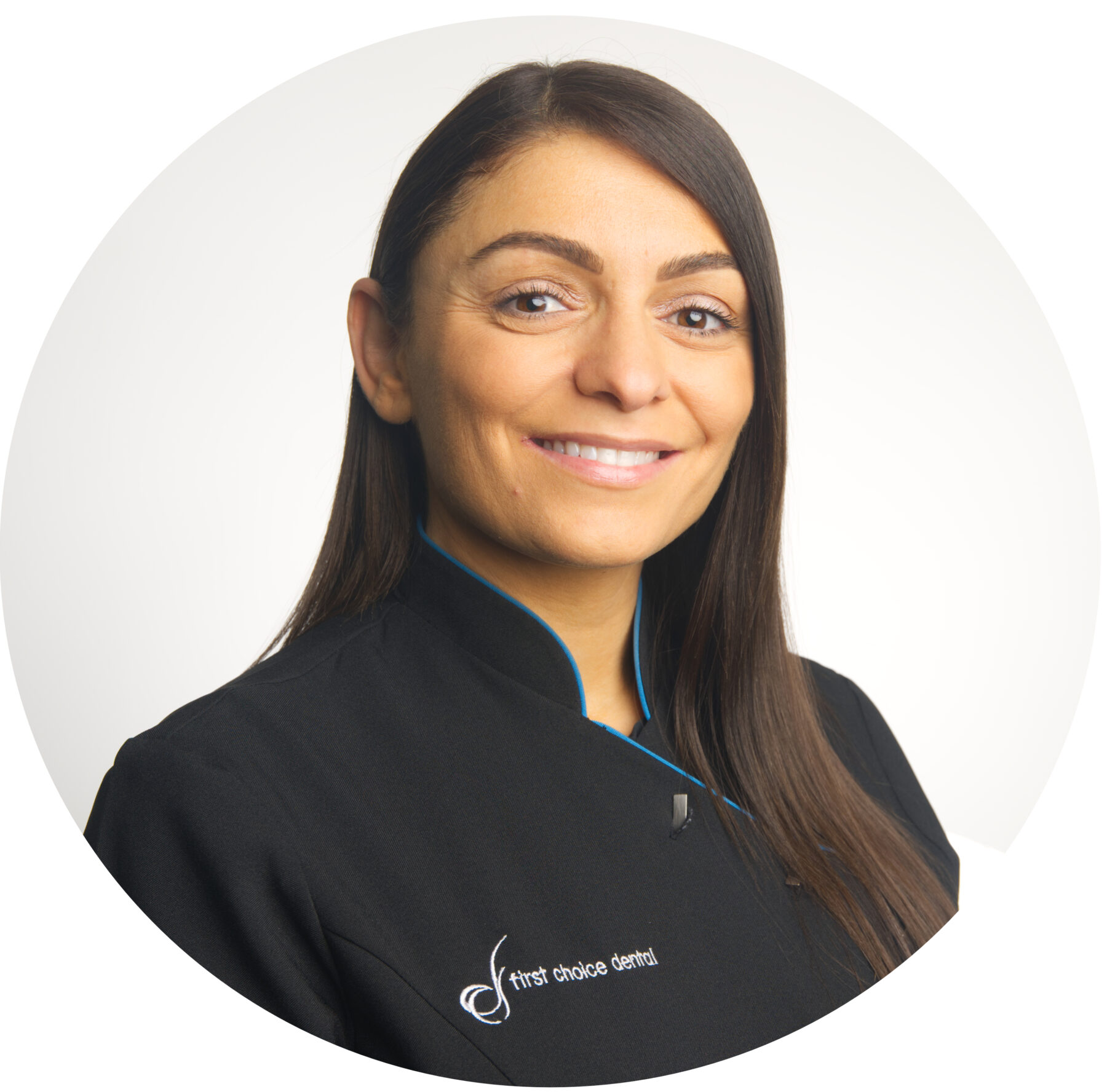
Hadel
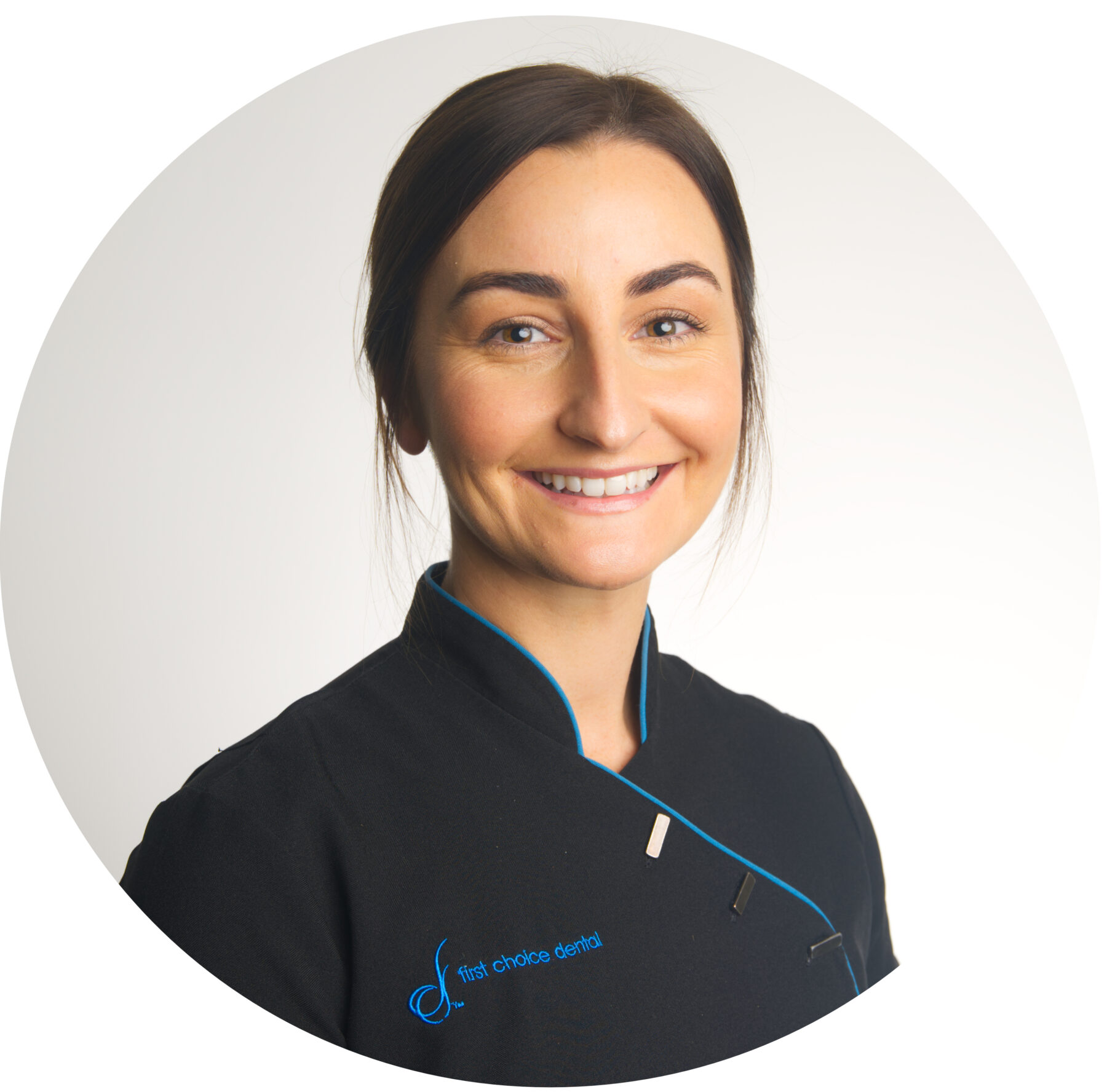
Tiarne
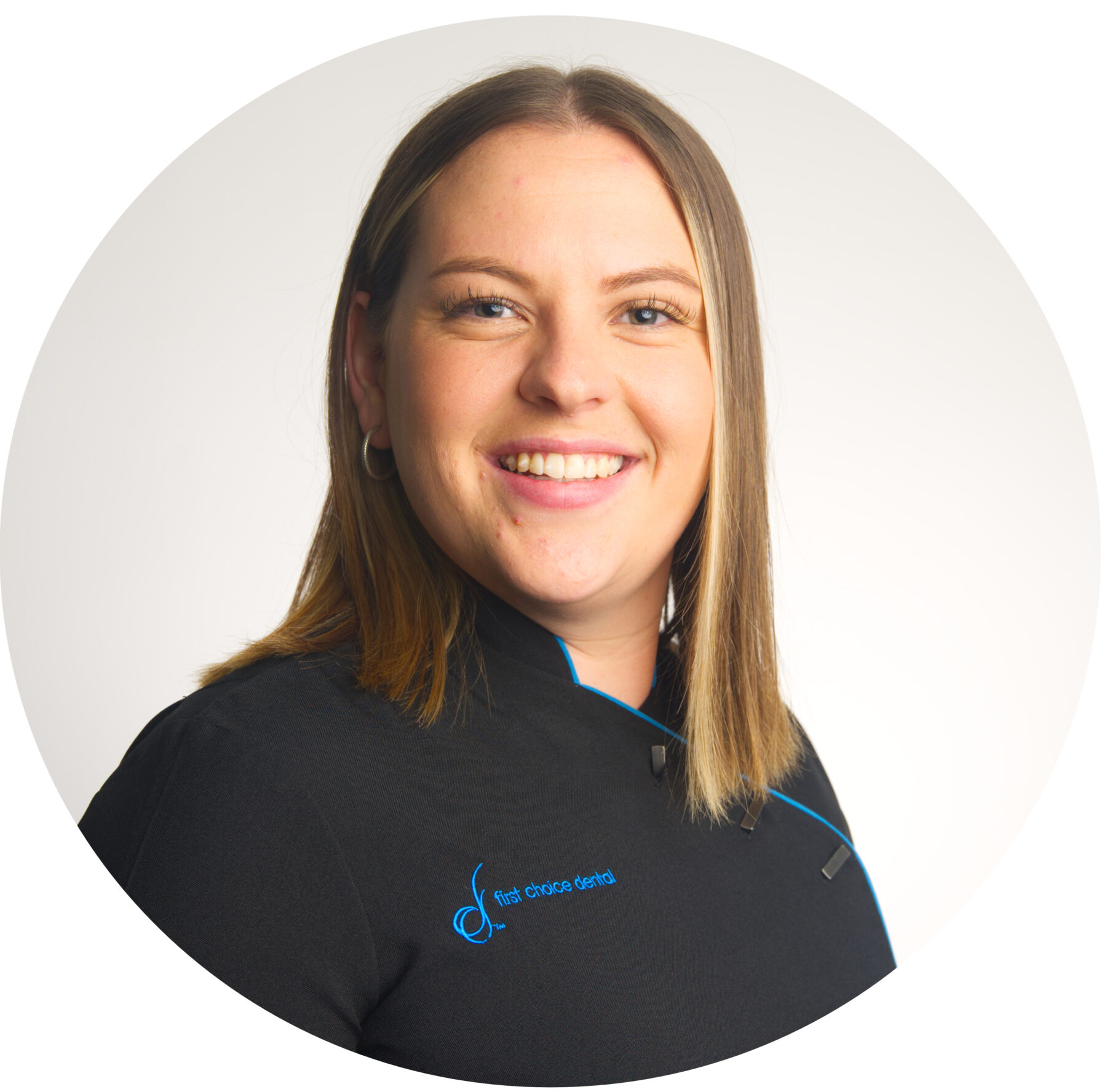
Jess
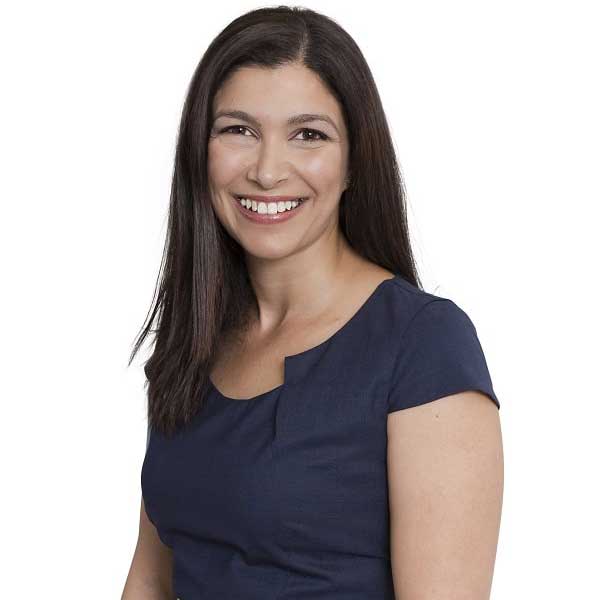
Dr Melissa Licenblat
Why Choose Us
FAQs
1. Do you offer emergency dental services in Narellan?
Yes, we provide prompt and gentle emergency dental care in Narellan for issues like toothaches, broken teeth, or dental injuries. We aim to see you as quickly as possible to relieve pain and restore your smile.
2. What dental treatments do you provide at your Narellan clinic?
Our Narellan dental clinic offers preventive care, general dentistry, cosmetic dentistry, children’s dentistry, and advanced treatments, all delivered with modern technology and a caring approach.
3. Is your dental clinic in Narellan suitable for nervous patients?
Absolutely. Our Narellan dentist team is experienced in helping anxious patients feel comfortable. We create a calm environment and explain every step to ensure a stress-free visit.
4. How can I book an appointment at your Narellan dental clinic?
Booking is simple — you can call our clinic or use our online booking system to choose a time that works best for you.
5. Do you offer children’s dentistry in Narellan?
Yes, we provide gentle and friendly dental care for children in Narellan, focusing on prevention and helping kids develop healthy habits from an early age.
Book an Appointment
by calling us on 02 4647 4570
Our Location
Suite 3, 20 Somerset Ave Narellan NSW 2567
Connect with Us

©2008- First Choice Dental. All right reserved. Narellan Dentist